Why You Feel Burned Out: Understanding Stress, Resilience, and How to Reset
If you’ve been feeling overwhelmed, mentally exhausted, or just not like yourself lately—you’re not alone.
Many people are functioning in a constant state of stress without realizing the toll it takes on their body and mind.
The key is not eliminating stress completely—that’s not realistic. The goal is building resilience so your body can handle stress more effectively and recover more quickly.
What is stress, really?
Stress is your body’s natural response to demand.
In small amounts, it can be helpful—it improves focus, motivation, and performance.
But when stress becomes chronic, it begins to affect multiple systems in the body, including:
- Hormones
- Immune function
- Sleep
- Digestion
- Mental health
Over time, this can lead to fatigue, burnout, and increased risk of chronic disease.
What is resilience?
Resilience is your ability to adapt to stress and recover from it.
It is not something you either “have” or “don’t have.” It is a dynamic process that can be strengthened over time through habits, environment, and support systems. 1
People with strong resilience are not stress-free—they simply recover faster and maintain better overall balance.
What are signs your stress levels are too high?
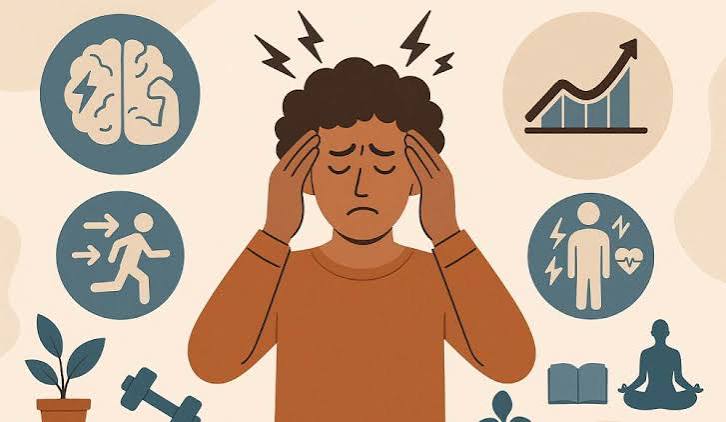
Chronic stress does not always look obvious. Common signs include:
- Constant fatigue
- Poor sleep
- Irritability or mood changes
- Brain fog or trouble focusing
- Frequent illness
- Muscle tension or headaches
- Feeling overwhelmed or unmotivated
These symptoms often build gradually and are easy to overlook.
Why does stress affect so many areas of health?
Stress impacts multiple systems at once.
When stress is ongoing:
- Cortisol (your stress hormone) stays elevated
- Inflammation can increase
- Sleep quality declines
- Energy production becomes less efficient
Over time, this creates a cycle where stress worsens physical symptoms—and those symptoms increase stress.
What actually helps build resilience?
Resilience is not built through one single change—it comes from consistent, small habits that support your body and mind.
1. Sleep is foundational
Poor sleep reduces your ability to handle stress and recover.
Prioritizing consistent, quality sleep improves both mental and physical resilience.
2. Movement reduces stress load
Regular physical activity helps regulate stress hormones and improves mood.
Even moderate, consistent movement can improve your ability to cope with stress.
3. Stress management practices matter
Techniques such as:
- Breathing exercises
- Mindfulness or meditation
- Time in nature
have been shown to improve emotional regulation and stress response.
4. Social support is critical
Resilience is not just individual—it is influenced by relationships and environment.
Support systems play a major role in how well people adapt to stress. 1
5. Small daily habits add up
Resilience is built over time, not in a single moment.
Consistency matters more than intensity.
Why “pushing through” is not the answer
Many people respond to stress by pushing harder—working more, sleeping less, and ignoring symptoms.
This often worsens the problem.
Without recovery, the body does not reset. Over time, this leads to burnout rather than improved performance.
When should you take stress seriously?
Consider addressing stress more directly if:
- Symptoms are persistent
- You feel overwhelmed most days
- Sleep is consistently poor
- Your energy and focus are declining
These are signs your system may need support, not more pressure.
The bottom line
Stress is unavoidable—but burnout is not.
Your ability to adapt and recover—your resilience—is one of the most important factors in your long-term health.
The goal is not to remove stress completely, but to build a system that can handle it more effectively.
Want to feel more balanced and in control again?
A personalized approach that looks at stress, sleep, nutrition, and overall health can help identify what is contributing to your symptoms and create a plan that supports both your physical and mental well-being.